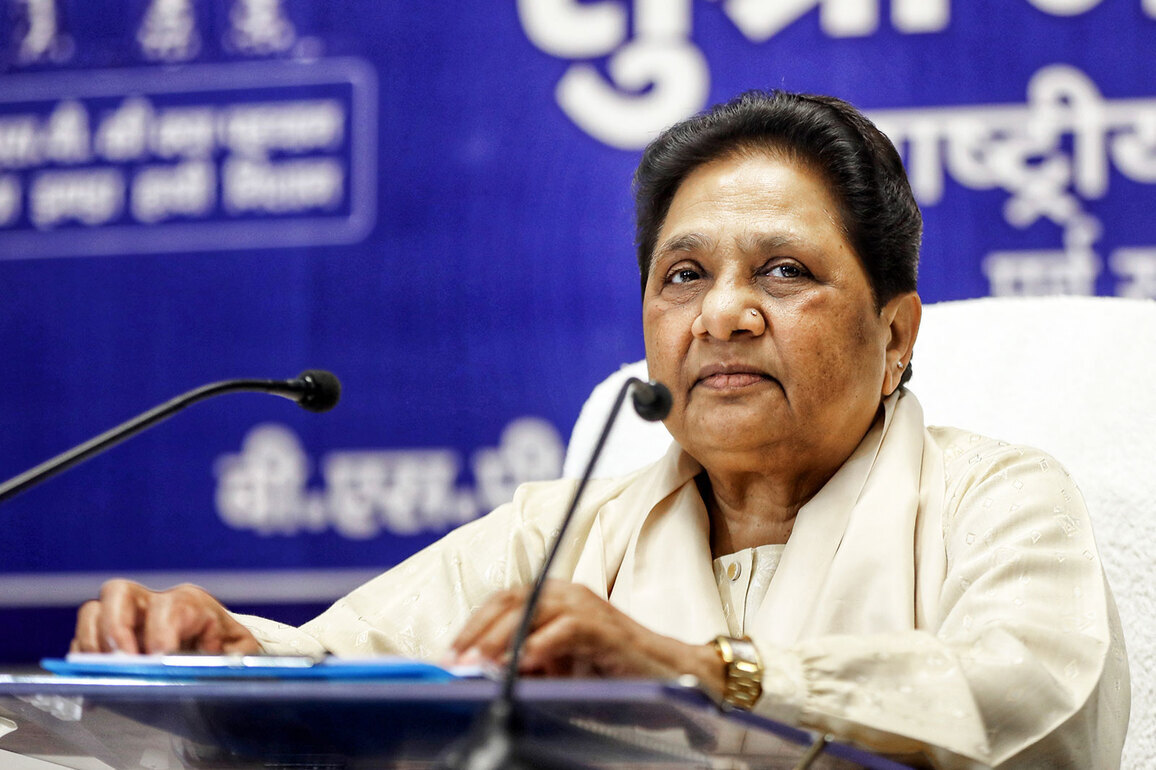
Lucknow/New Delhi: With early political stirrings around the 2027 Uttar Pradesh Assembly elections, Mayawati has quietly set in motion a calculated strategy to revive the electoral fortunes of the Bahujan Samaj Party (BSP). As rivals intensify their campaigns, the BSP chief is focusing on a blend of traditional social coalitions and modern, data-driven election management to position her party as a decisive force once again.
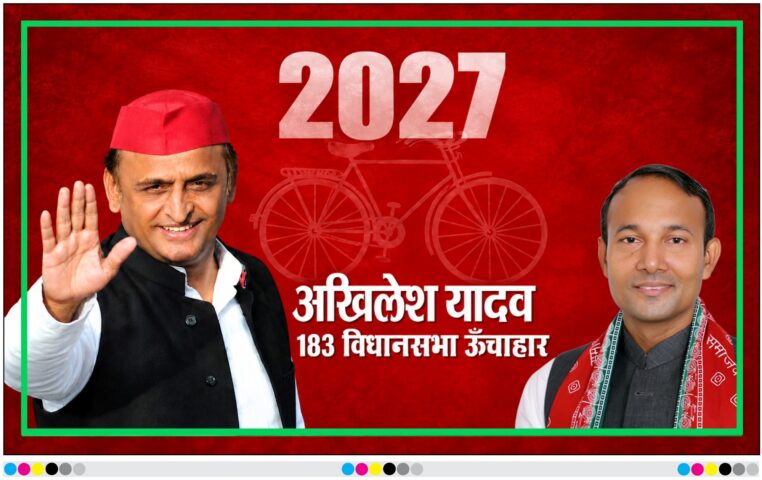
While Akhilesh Yadav has already sounded the bugle for “Mission 2027” with his PDA plank and the ruling Bharatiya Janata Party (BJP) is aiming for a third consecutive term under Chief Minister Yogi Adityanath, Mayawati appears determined to disrupt the emerging bipolar contest and restore a triangular political landscape in Uttar Pradesh.

Data-Driven Candidate Selection Linked to Voter Revision
In a significant shift from conventional practices, the BSP has linked its candidate selection process to the ongoing voter list revision exercise, referred to within the party as the SIR (Summary Intensive Revision) campaign. Unlike the usual last-minute ticket distribution, the party had initially identified potential candidates for around 40–50 constituencies well in advance.
However, the strategy has now evolved. Greater emphasis is being placed on leaders who demonstrated strong booth-level engagement during the voter revision drive. Party insiders say Mayawati has sought detailed feedback from nearly 15,000 booth committees to assess ground realities, including instances where supporter names may have been deleted or weakened in electoral rolls.
Those who have successfully mobilised voters, ensured corrections in electoral rolls, and strengthened booth structures are now emerging as frontrunners for party tickets. The approach underlines a clear shift: elections are not just about rallies, but about securing voter presence on the rolls.
Revival of Social Engineering Formula
At the core of BSP’s renewed strategy lies its hallmark “social engineering” model, which propelled the party to a full majority in 2007. Mayawati is once again attempting to rebuild a broad coalition of Dalits, Brahmins, and Muslims—an alliance she believes is essential in today’s fragmented political environment.
To refine this approach, the party has prepared panels of up to four potential candidates per constituency. These contenders are being evaluated based on caste equations, local influence, and organisational performance. Regional and zonal coordinators have been tasked with providing granular caste-wise assessments to identify the most viable candidates.
The strategy reflects a calibrated effort to balance traditional vote banks with emerging socio-political dynamics, especially in constituencies where no single group dominates.
Focus on Strongholds and Organisational Reset
Mayawati’s recent movements between Delhi and Lucknow are seen as part of her close monitoring of key regions, particularly western Uttar Pradesh, historically a BSP stronghold. The party leadership is prioritising constituencies where its performance declined in previous elections.

According to state unit chief Vishwanath Pal, the BSP is likely to contest the 2027 elections independently, avoiding alliances that may dilute its vote transfer efficiency. The focus remains on consolidating its core support base while expanding outreach to other communities.
The party is also restructuring its organisational framework, promoting new faces, and reinforcing booth-level accountability. Reports from districts are being reviewed closely, with special attention to re-enrolling voters whose names may have been removed.
Challenges on the Ground
Despite the strategic recalibration, the BSP faces a complex political landscape. Both the BJP and the Samajwadi Party have made inroads into traditional Dalit vote banks, while newer players like Chandrashekhar Azad have emerged as influential voices in Dalit politics.
This raises questions about the effectiveness of the party’s revived social engineering model in a changed electoral context. However, Mayawati’s political track record suggests a preference for silent groundwork followed by impactful electoral interventions.
A Crucial Electoral Test Ahead
For the BSP, the 2027 elections represent more than a contest for power—they are pivotal to the party’s long-term relevance. By combining caste-based political calculus with booth-level data analytics, Mayawati is attempting to modernise her campaign strategy while retaining its ideological core.
Whether this hybrid model can recreate the success of 2007 remains to be seen. For now, the BSP appears intent on ensuring that the electoral battle in Uttar Pradesh does not remain a two-horse race.
As political activity intensifies across the state, Mayawati’s methodical approach—anchored in social engineering and organisational discipline—is once again placing her at the centre of Uttar Pradesh’s evolving political narrative.












 https://www.youtube.com/watch?si=RtToJsBhYBatUrym&v=mOuYNSdhjHA&feature=youtu.be